

Want to learn about the benefits of our courses? Click here: https://smokinya.com/testimonials/
APERO: Five Countries, Five Organisations, One Shared Journey Towards Stronger Communities
How can grassroots organisations create sustainable community spaces, empower young people and become more resilient? Through APERO, five European organisations spent more than a year learning from one another—not in classrooms, but through real work, shared experiences and direct exchanges.
Across Europe, many youth and community organisations face similar challenges. They have committed teams, ambitious ideas and communities they want to support, yet often struggle with limited resources, unstable funding, staff turnover and the practical demands of managing physical spaces. Running a youth centre, training venue or community hub requires much more than organising activities. It means building relationships, maintaining infrastructure, coordinating people and finding ways to sustain meaningful work beyond individual projects.
These shared challenges inspired APERO – Alliance for Participation, Empowerment, and Resilient Organizations, an Erasmus+ partnership bringing together five organisations from Germany, Bulgaria, Hungary, Serbia and Spain.
Coordinated by CitizensLab (Germany), the project connected Smokinya Foundation (Bulgaria), Egyesek Youth Association (Hungary), MAGNET (Serbia) and De Amicitia (Spain). Although each organisation works in a different environment and follows its own approach, they share a commitment to youth participation, non-formal education, community development and creating spaces where people can learn, contribute and grow.
The idea behind APERO was straightforward: instead of developing another theoretical training programme, why not visit one another, observe how things actually work and learn directly from real organisational experience?
Learning from the Inside: 22 Job-Shadowing Mobilities
Job shadowing became the central methodology of APERO. Rather than attending conventional training courses, participants entered the everyday working environments of their partner organisations. They joined meetings, observed programmes, supported activities, spoke with staff and volunteers, explored community spaces and discussed the challenges behind organisational decisions.
Over the course of the project, 20 people participated in 22 mobility instances, generating 143 participant-days of practical peer learning. Every partner organisation both hosted and sent participants, while each visited three other partner countries.

The exchanges explored four interconnected priorities: developing and sustaining rural and community centres, strengthening youth participation and responsibility, improving financial resilience, and diversifying educational activities and civic engagement.
What made these experiences valuable was the opportunity to see beyond the visible programme. Participants discovered how organisations manage teams, distribute responsibilities, coordinate volunteers, organise infrastructure, communicate with stakeholders and navigate the realities of limited resources.
They also encountered different organisational cultures and approaches, sometimes confirming their existing practices and sometimes challenging their assumptions.
Five Organisations, Different Realities, Shared Challenges
Each partner contributed a distinctive perspective.
In Hungary, Egyesek demonstrated how an established youth organisation combines rural youth engagement, international volunteering, non-formal education and structured organisational management. Its work with local communities and young people facing fewer opportunities provided valuable examples of connecting local participation with European learning opportunities.
During visits to Egyesek, Smokinya representatives explored project management, digital administration, staff onboarding, communication and the practical organisation of residential training programmes.
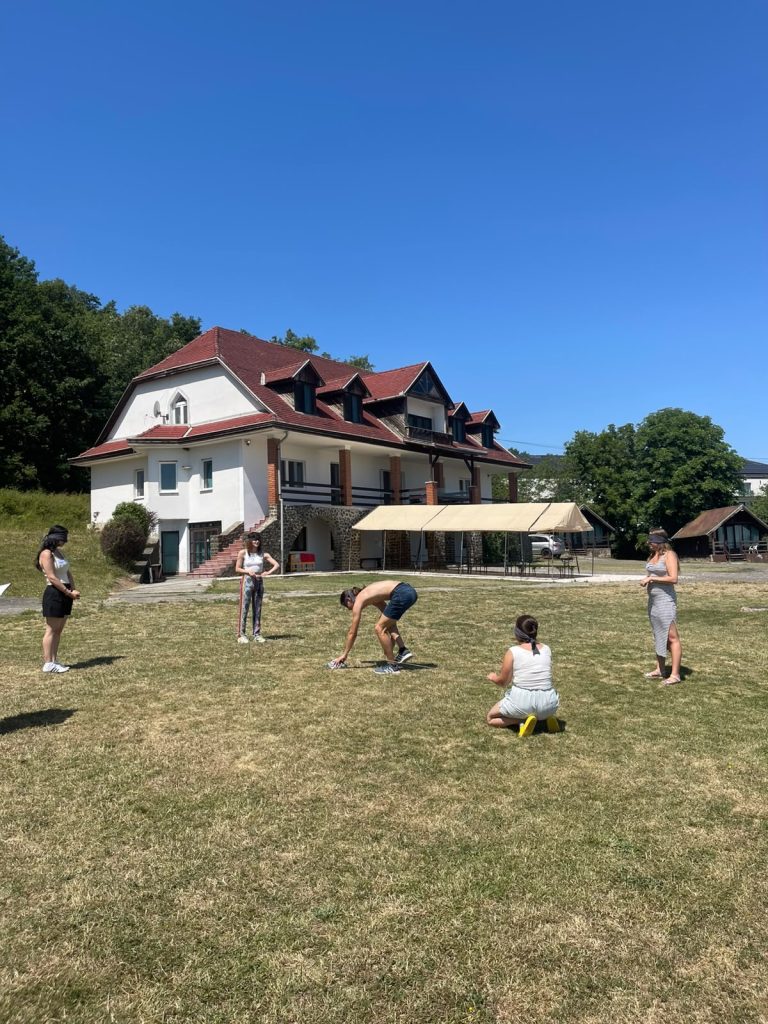
Victoria and Leo, who spent 13 days alongside an international training course in Hollókő, discovered how much depends on the systems behind an educational programme: clearly distributed logistical responsibilities, organised materials, participant orientation, shared cleaning duties and short team briefings.
Their experience highlighted a deceptively simple lesson: the clearer the systems and responsibilities, the more independently and effectively people can work together.
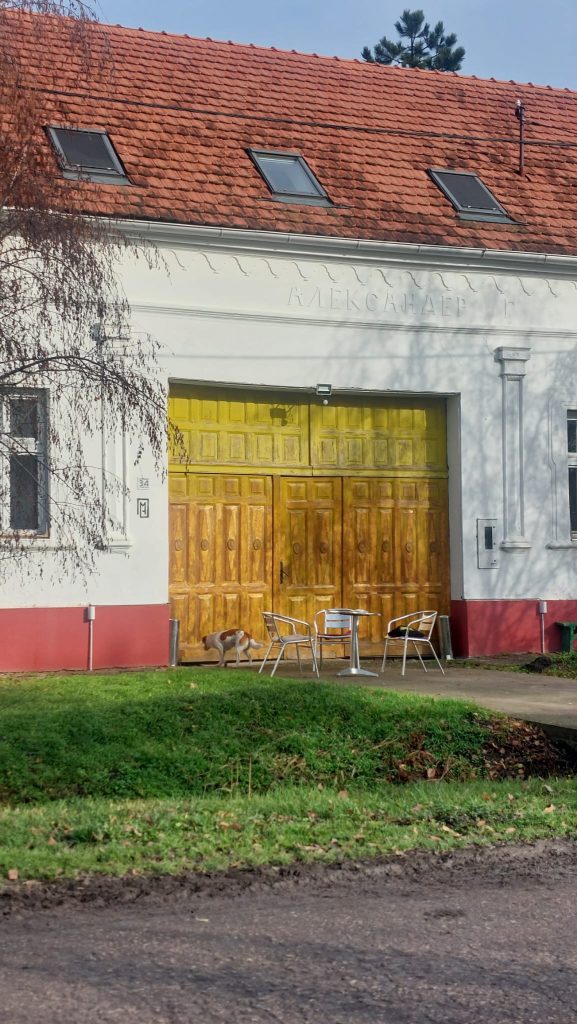
In Serbia, MAGNET offered another perspective through Magnet House, a rural cultural and educational space in Veliki Gaj. Its approach to collaborative governance, artistic programmes, community relationships and income-generating activities opened discussions about how a physical venue can become more than a project location.
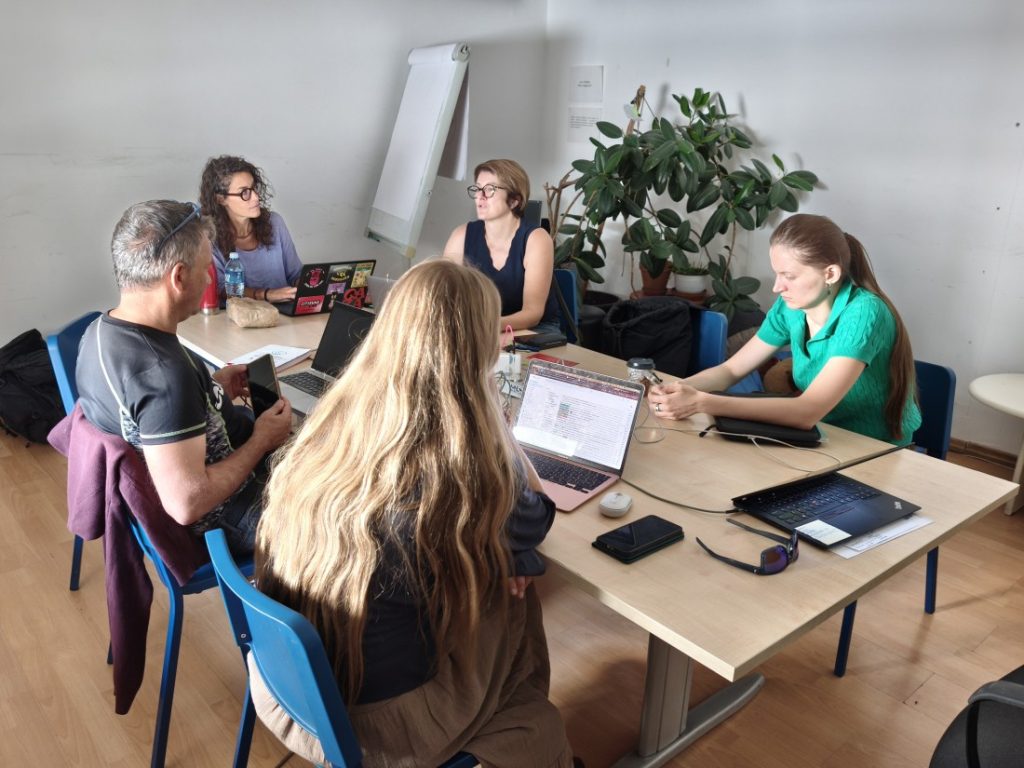
During her visit, Smokinya’s Anastasia explored horizontal management, shared responsibility, self-funded retreats and arrangements allowing other organisations to use and contribute to a common space. These examples were particularly relevant to Smokinya’s ongoing development of the Bright Future Training Centre in Mrachenik.
In Spain, De Amicitia introduced participants to international workcamps, environmental volunteering, rural development and community-based solidarity. One Smokinya placement included observing international volunteers supporting communities affected by the devastating 2024 floods in the Valencia region.
The experience generated important reflections on volunteer autonomy, coordination, local engagement and communication. It also demonstrated that learning does not always come from ideal examples. Encountering unclear expectations or organisational challenges can be equally useful when participants critically reflect on what they would do differently.
In Germany, CitizensLab contributed approaches to participatory leadership, facilitation, communication, collective care and community-building. These practices encouraged participants to consider how relationships, trust and shared responsibility influence the sustainability of organisations and communities.
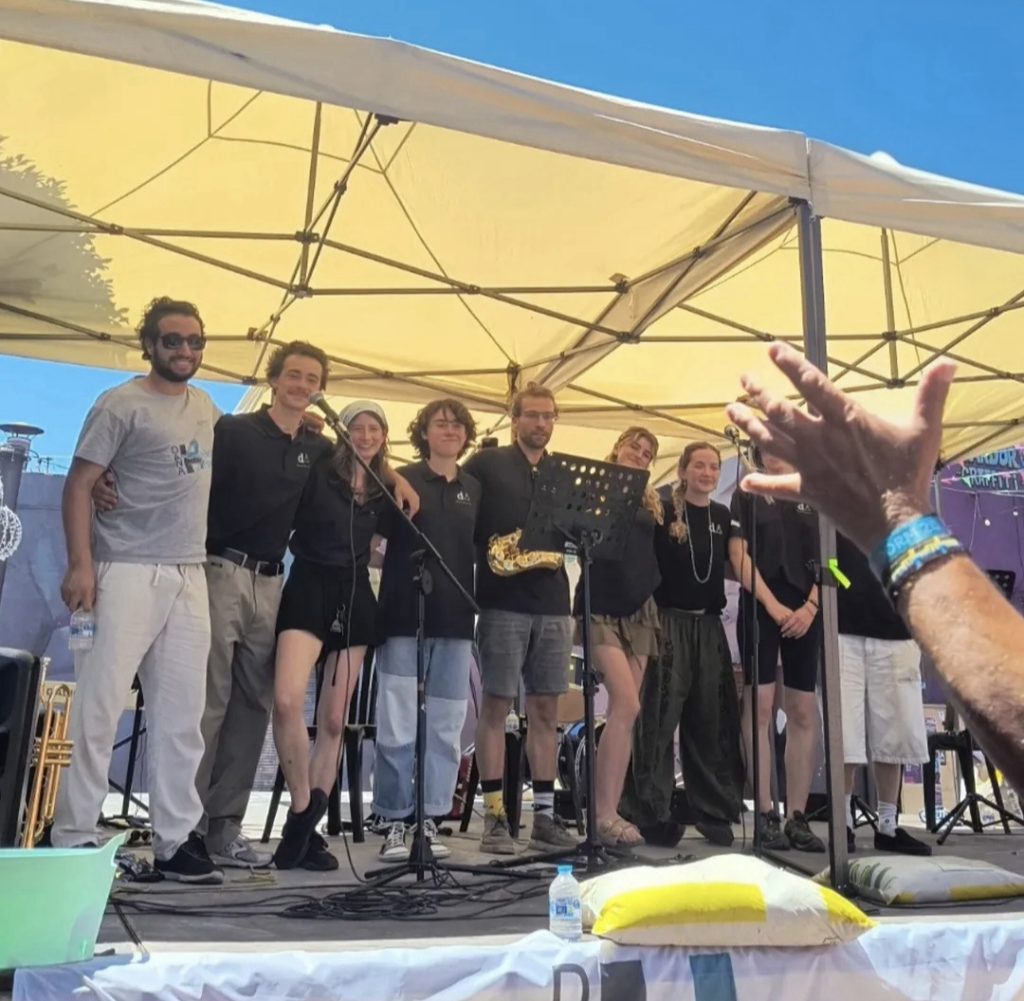
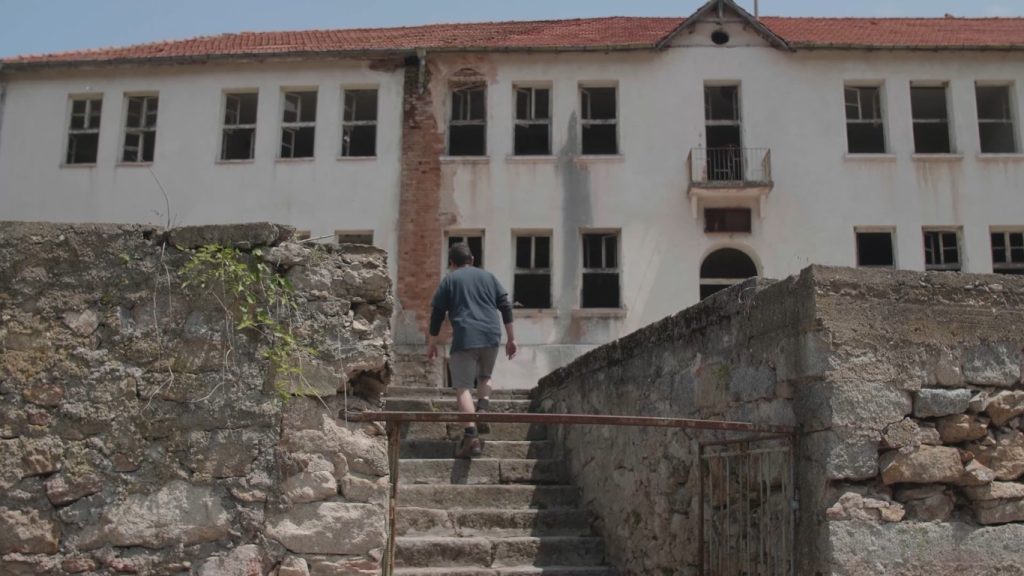
Meanwhile, Smokinya Foundation hosted visiting colleagues in Plovdiv and Mrachenik, sharing its experience with Erasmus+, the European Solidarity Corps, volunteer management, experiential learning and the gradual transformation of a former rural school into an international educational and community space.
Visitors observed regular team meetings, volunteer reporting and reflection, project coordination, practical infrastructure work and the integration of learning into everyday responsibilities.
Janka from Egyesek particularly highlighted Smokinya’s structured volunteer coordination, consistent routines, open communication and emphasis on ownership and responsibility. Her reflections illustrated how organisational practices that may seem ordinary to one team can become valuable learning opportunities for another.
What Did We Discover About Resilient Organisations?
Across the exchanges, several important insights emerged.
First, a community centre is much more than a building. Having access to a venue creates opportunities, but its sustainability depends on people, relationships, programmes, maintenance and long-term organisational commitment. Ownership of a physical space does not automatically create a sense of ownership within the community.
Second, youth participation becomes meaningful when young people receive real responsibility. Volunteers and participants develop initiative and confidence when they are trusted to contribute, make decisions, organise activities and take care of shared spaces. At the same time, autonomy requires appropriate preparation, mentoring, clear expectations and support.
Third, organisational resilience is built through everyday practices. Good communication, documentation, onboarding, teamwork, reflection and clearly distributed responsibilities may not be the most visible achievements of an NGO, but they are essential for continuity and quality.
Fourth, financial sustainability requires creativity and diversification. Partners explored approaches ranging from participation fees and self-funded educational programmes to shared use of facilities, donations and social entrepreneurship. These exchanges provided inspiration and possible directions for development, while also demonstrating that financial resilience is a long-term process rather than a ready-made formula.
Finally, the partnership recognised that effective community development requires patience. Local relationships, trust, cultural sensitivity and cooperation with stakeholders cannot simply be created through a short project or an international event.
From Inspiration to Practical Change
APERO was not only about collecting interesting ideas. Participants returned home with concrete practices they wanted to test, adapt or share with their colleagues.
These included improved onboarding and volunteer coordination, daily and weekly team meetings, clearer task distribution, better documentation, structured reflection, practical systems for managing training centres, participatory facilitation and new approaches to community engagement.
Some ideas have already moved beyond discussion. For example, MAGNET adapted a community-engagement workshop approach encountered during an exchange with CitizensLab and subsequently used it in Serbia.
Other practices remain opportunities for future development. This distinction is important: APERO did not produce one universal model or transform every organisation overnight. Instead, it helped partners recognise possibilities, question established routines and identify improvements suited to their own contexts.
The consortium also learned something valuable about job shadowing itself. Simply joining another organisation’s activity is not always enough. Meaningful professional learning requires clear objectives, access to experienced staff and organisational processes, opportunities to ask questions, structured reflection and a plan for sharing the learning afterwards.
These lessons helped the partners refine their placement methodology and develop a more practical framework for future exchanges.

Beyond the Project: A Network That Continues to Learn
The partnership gathered in Belgrade, Serbia, in September 2026 for its final transnational evaluation meeting. Together, the partners reviewed the exchanges, learning outcomes, challenges, organisational impact and opportunities for continued cooperation.
Perhaps APERO’s most sustainable result is the network created between the five organisations.
Repeated visits, hosting experiences and regular cooperation moved the partnership beyond a consortium existing primarily on paper. The organisations now understand one another’s strengths, working environments and challenges well enough to exchange expertise, consult one another and explore new initiatives together. Ideas for further cooperation and future projects have already emerged from these relationships.
APERO therefore concludes not with a universal recipe for a successful youth organisation or community centre, but with something more useful: five organisations better equipped to improve their own practices, concrete methods and ideas that can continue travelling between them, and a European peer network capable of continuing the learning after the funded project ends.
Because resilient organisations are not built by working alone. They grow through experience, responsibility, collaboration and the willingness to keep learning.
About APERO
Project: Alliance for Participation, Empowerment, and Resilient Organizations (APERO)
Programme: Erasmus+ KA210-YOU – Small-scale Partnerships in Youth
Project number: 2024-3-DE04-KA210-YOU-000280910
Coordinator: CitizensLab e.V., Germany
Partners: Smokinya Foundation (Bulgaria), Egyesek Youth Association (Hungary), MAGNET (Serbia), De Amicitia (Spain)
For further information, contact info@smokinya.com or visit www.smokinya.com.
“Alliance for Participation, Empowerment, and Resilient Organizations” – KA210-YOUTH project about NGOs who have, or want to have soon, a venue for hosting events, trainings, residencies, volunteering and other educational programs, both for youth and adults. Project identification card.
Objectives
The project brings together five organizations to exchange practices on establishing and managing rural centers for sustainable community spaces. We aim to share methods for involving youth in decision-making, explore diverse financial strategies to strengthen financial resilience, and exchange knowledge on diversifying activities and civic involvement across different contexts.
Activities
We will conduct job shadowing activities across five countries, where participants will observe the regular activities of partner organizations, focusing on best practices in managing rural centers, youth engagement, and financial sustainability. The project includes workshops and hands-on learning to help partners achieve the objectives. Regular online meetings will ensure collaboration, and an evaluation meeting will review outcomes and plan future steps.
Impact
The project will result in the implementation of new methods for managing rural centers, youth participation in decision-making, and diversified funding strategies across the five partner organizations. Each partner will apply specific practices learned from job shadowing, improving their operations. The project will also create a foundation for future collaboration and long-term partnerships between organizations.
Project timeline
Start date 01-03-2025
End date 30-06-2026
Want to learn about the benefits of our courses? Click here: https://smokinya.com/testimonials/
Website of the coordinator: CITIZENS LAB, Berlin
Should you have a question, contact us: info@smokinya.com.
This project is co-funded by the Erasmus+ program of the European Union.
Funded by the European Union. Views and opinions expressed are however those of the author(s) only and do not necessarily reflect those of the European Union or the European Education and Culture Executive Agency (EACEA). Neither the European Union nor EACEA can be held responsible for them.


