

Want to learn about the benefits of our courses? Click here: https://smokinya.com/testimonials/
APERO Job Shadowing Activity Report
Participant Information
Name: Victoria and Leo
Sending organization: Smokinya Foundation
Host organization: Egyesek Youth Association
Country / City of placement: Holloko, Hungary
Dates of activity: 10-22 July 2026
Total days attended: 13
In July 2026, two members of Smokinya Foundation, Victoria and Leo, spent 13 days with Egyesek Youth Association in Hollókő, Hungary, as part of the APERO project.
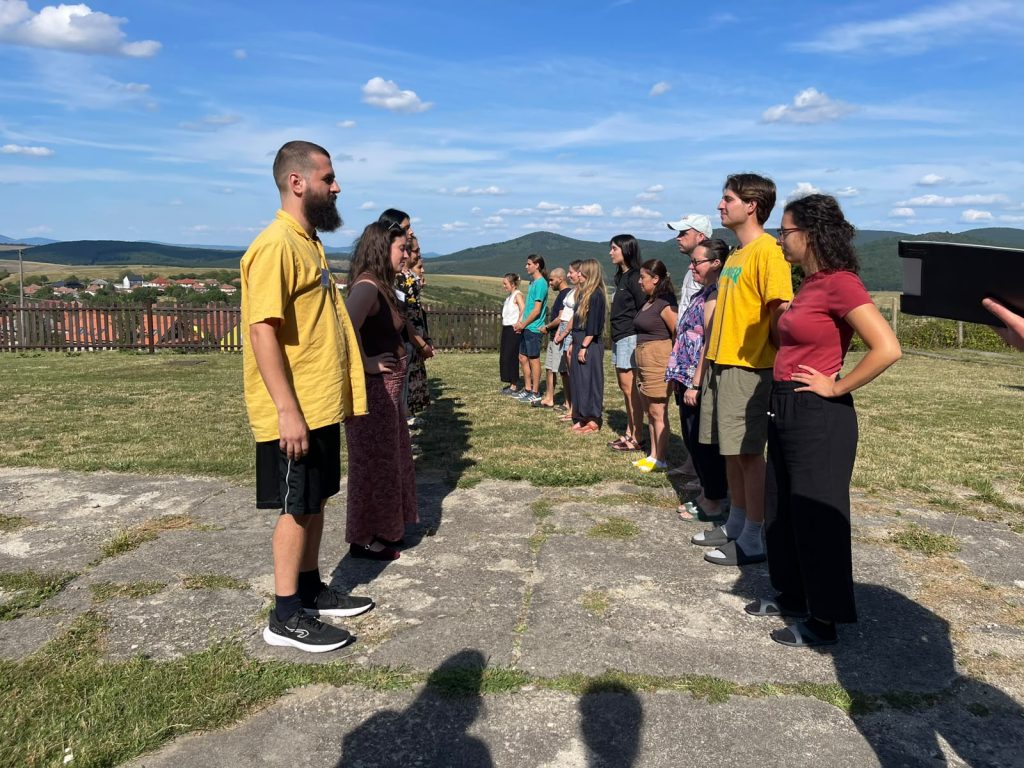
Their job shadowing took place alongside See Beyond 3, one of Egyesek’s international training courses. Instead of observing the organisation only from the outside, Victoria and Leo joined the team and experienced what it takes to prepare, run and close an international residential training programme.
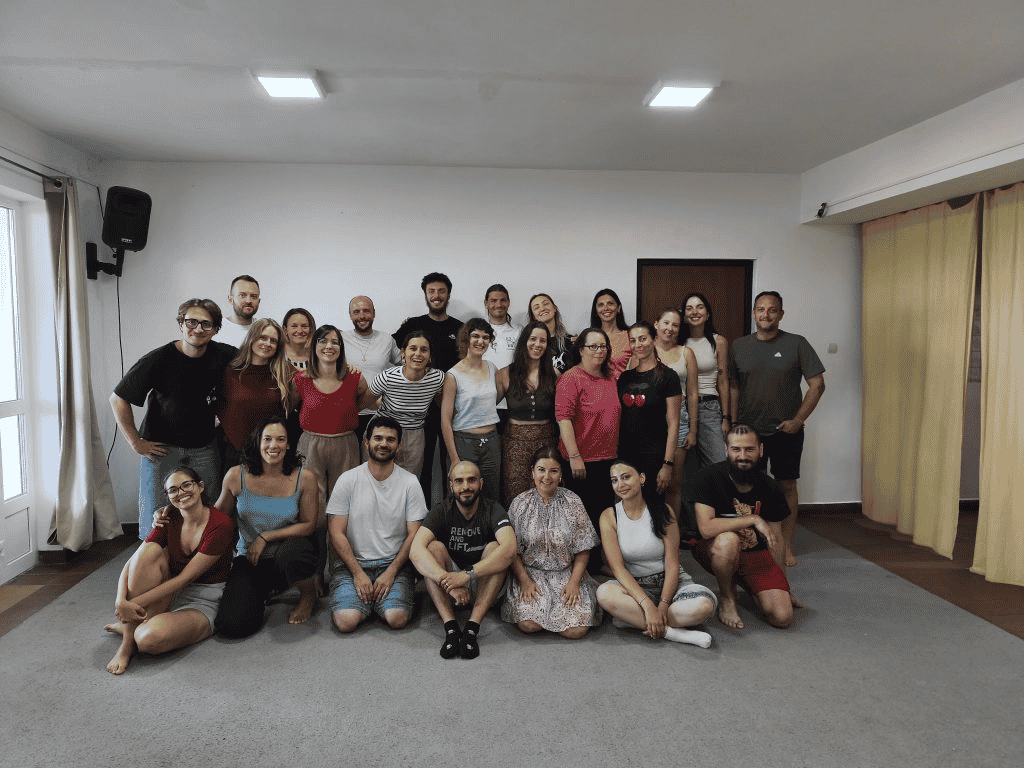
When participants arrive at a training course, they usually see the programme, trainers, activities, meals and venue. Behind all of this, however, there is another layer of work that is much less visible.
Spaces need to be prepared. Materials have to be organised. Participants need a clear introduction to the venue. Meals, accommodation and cleaning have to function. Training rooms constantly change according to the programme. Tasks need owners, and the different members of the team need to know what is happening and when.
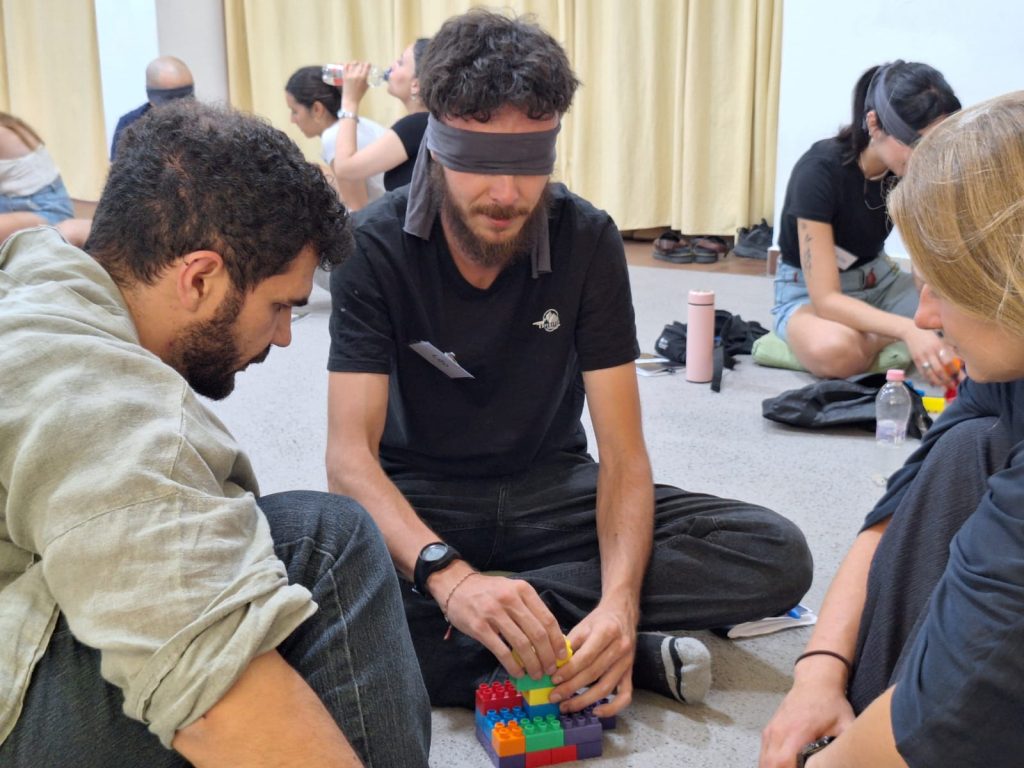
They participated in the preparation of the venue before arrival, supported the training and logistical team during the programme, worked directly with participants and contributed to the closing and departure process.
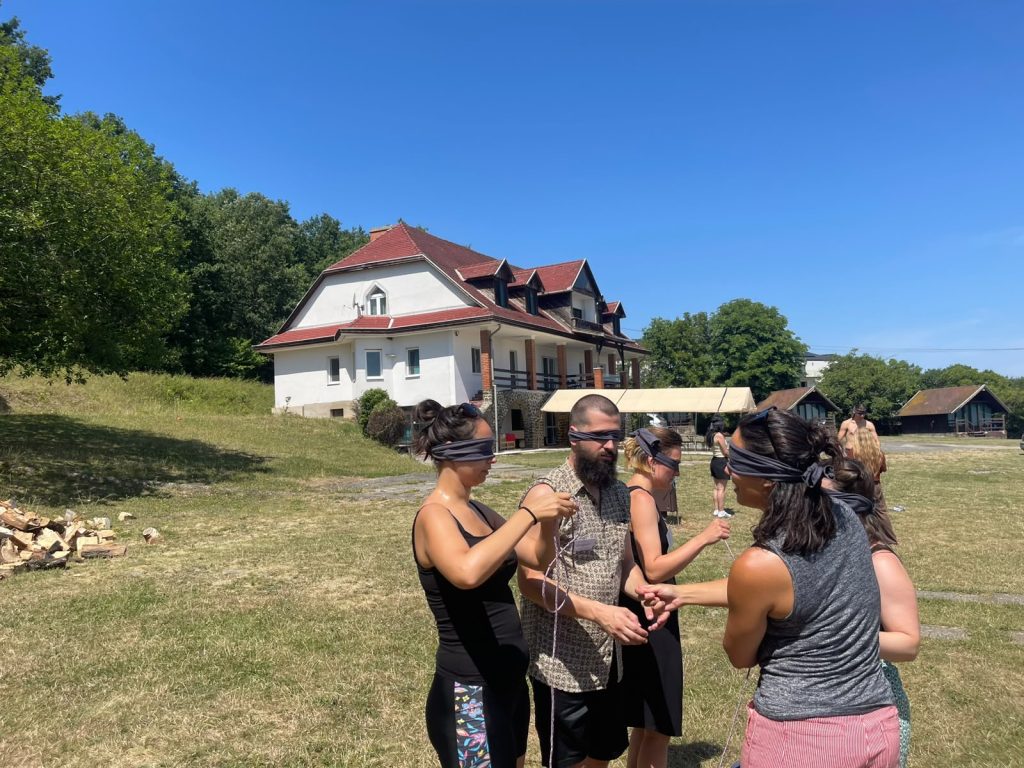
Leo focused particularly on the management of the rural training centre. He observed how cleaning responsibilities were shared with participants, how supplies and equipment were stored, and how different logistical roles were distributed between the coordinator, cooks, cleaning staff, handyman and other team members.
One surprisingly simple takeaway was the organisation of materials. A clear storage system meant that someone unfamiliar with the venue could quickly understand where things belonged and find what was needed without constantly asking for assistance.
Victoria’s perspective concentrated more on teamwork and training implementation. Supporting the training room gave her an opportunity to observe how the physical learning environment was prepared according to the needs of each activity and how trainers, coordinators and logistical staff worked together behind the scenes.
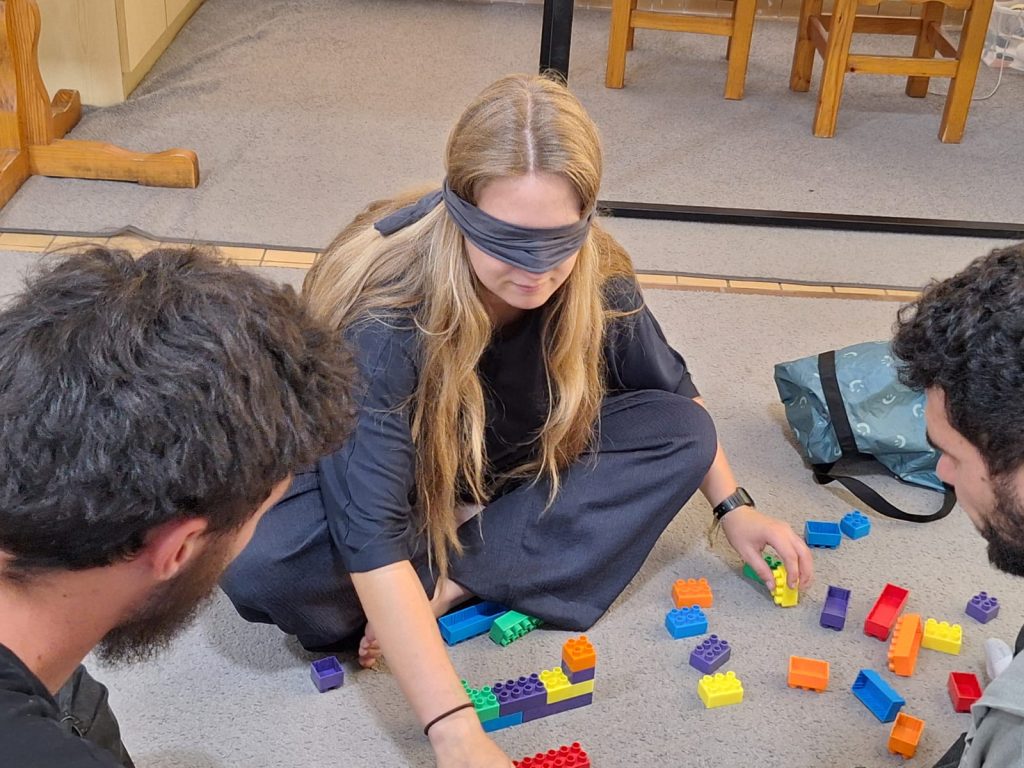
One of the strongest common observations was how much easier teamwork becomes when roles and responsibilities are clearly divided.
Rather than everybody trying to keep track of everything, tasks were distributed among team members. Short briefings helped the team concentrate on what needed to happen during the next part of the day instead of becoming overwhelmed by the entire programme.
For Victoria, this brought a particularly useful personal reflection. Being accustomed to taking responsibility for many things herself, she experienced how clear roles made it easier to step back and trust other members of the team.
The experience demonstrated that good organisation does not necessarily mean controlling every detail. Sometimes the opposite is true: the clearer the system is, the more independently people can work within it.
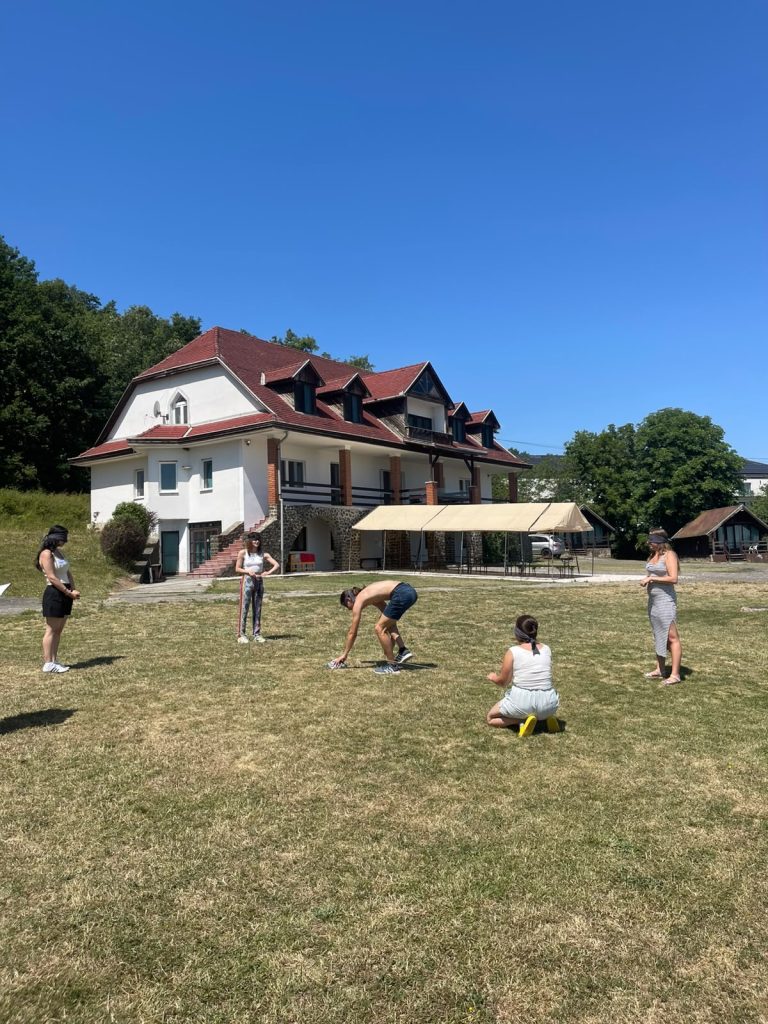
A structured orientation at the beginning helped participants understand the house, shared spaces and basic rules. Daily cleaning responsibilities encouraged everyone to contribute to maintaining the venue. Clearly organised storage allowed staff to find materials independently. Some supplies and technical areas remained staff-only, while everyday materials were easily accessible.
The team also used shorter operational briefings during the day rather than trying to communicate everything at once.
Another valuable practice was creating space for the team to open and close the working day together — checking what was coming, reflecting on what had happened and discussing observations based on what was actually seen and experienced rather than on assumptions.
These may appear to be small organisational details, but together they contribute significantly to the quality of a residential learning programme.
The experience in Hollókő was particularly relevant to Smokinya Foundation because we are developing our own rural learning environment at the Bright Future Training Centre in Mrachenik.
Victoria and Leo returned with several practices that can be tested and adapted: clearer organisation of materials and supplies, better division of logistical responsibilities, practical orientation for participants, shorter operational briefings, accessible systems that allow team members to work independently, and regular spaces for team reflection and feedback.
Some of these ideas require almost no additional resources. They are simply different ways of organising people, spaces and responsibilities.
And this was perhaps the most useful lesson from the 13 days in Hungary: a well-functioning learning environment is not created only by a good educational programme.
It is also created by all the small systems behind it — the room prepared before participants enter, the materials where people expect to find them, the meal arriving on time, the clear division of responsibilities, the five-minute briefing, and the team that knows how to work together.
“Alliance for Participation, Empowerment, and Resilient Organizations” – KA210-YOUTH project about NGOs who have, or want to have soon, a venue for hosting events, trainings, residencies, volunteering and other educational programs, both for youth and adults. Project identification card.
Objectives
The project brings together five organizations to exchange practices on establishing and managing rural centers for sustainable community spaces. We aim to share methods for involving youth in decision-making, explore diverse financial strategies to strengthen financial resilience, and exchange knowledge on diversifying activities and civic involvement across different contexts.
Activities
We will conduct job shadowing activities across five countries, where participants will observe the regular activities of partner organizations, focusing on best practices in managing rural centers, youth engagement, and financial sustainability. The project includes workshops and hands-on learning to help partners achieve the objectives. Regular online meetings will ensure collaboration, and an evaluation meeting will review outcomes and plan future steps.
Impact
The project will result in the implementation of new methods for managing rural centers, youth participation in decision-making, and diversified funding strategies across the five partner organizations. Each partner will apply specific practices learned from job shadowing, improving their operations. The project will also create a foundation for future collaboration and long-term partnerships between organizations.
Project timeline
Start date 01-03-2025
End date 30-06-2026
Want to learn about the benefits of our courses? Click here: https://smokinya.com/testimonials/
Website of the coordinator: CITIZENS LAB, Berlin
Should you have a question, contact us: info@smokinya.com.
This project is co-funded by the Erasmus+ program of the European Union.
Funded by the European Union. Views and opinions expressed are however those of the author(s) only and do not necessarily reflect those of the European Union or the European Education and Culture Executive Agency (EACEA). Neither the European Union nor EACEA can be held responsible for them.


