
Want to learn about the benefits of our courses? Click here: https://smokinya.com/testimonials/
APERO Final TPM consortium Evaluation meeting and Activity Report
Participant Information
Name: Evaluation meeting
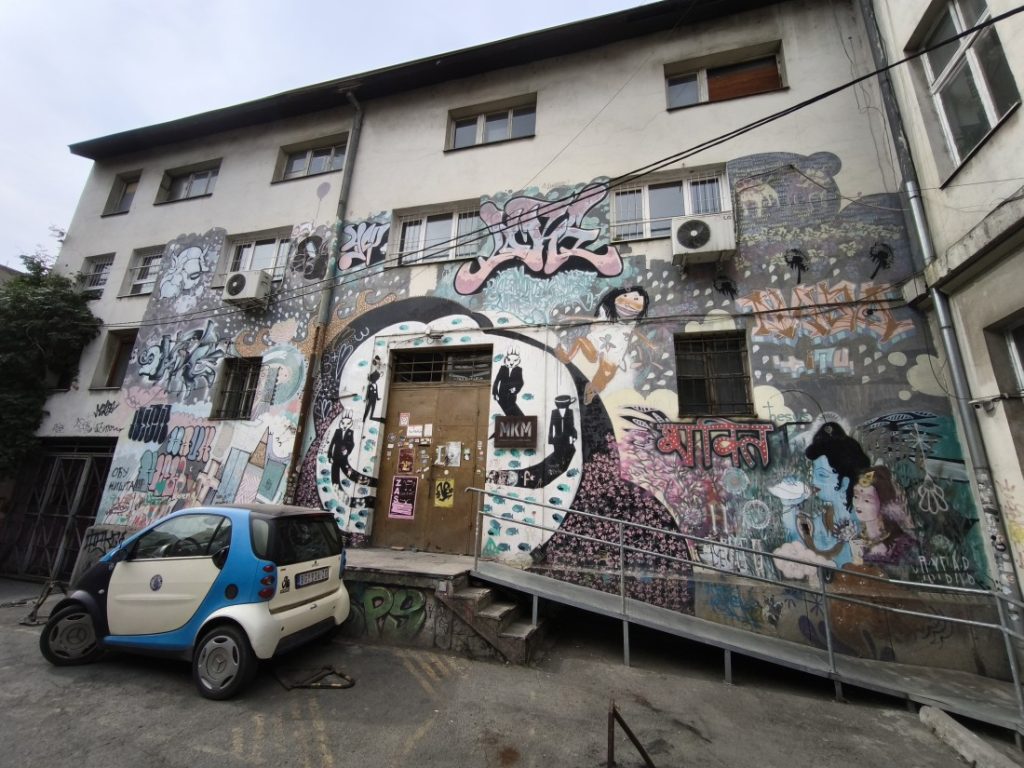
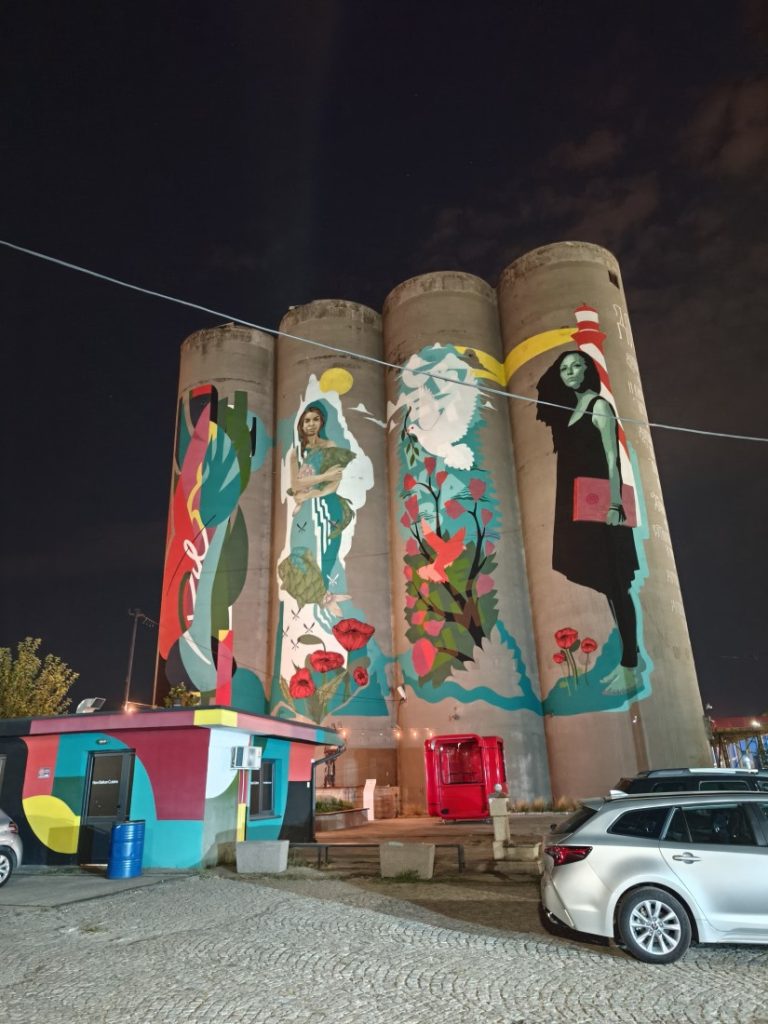
Host organization: Magnet, Serbia
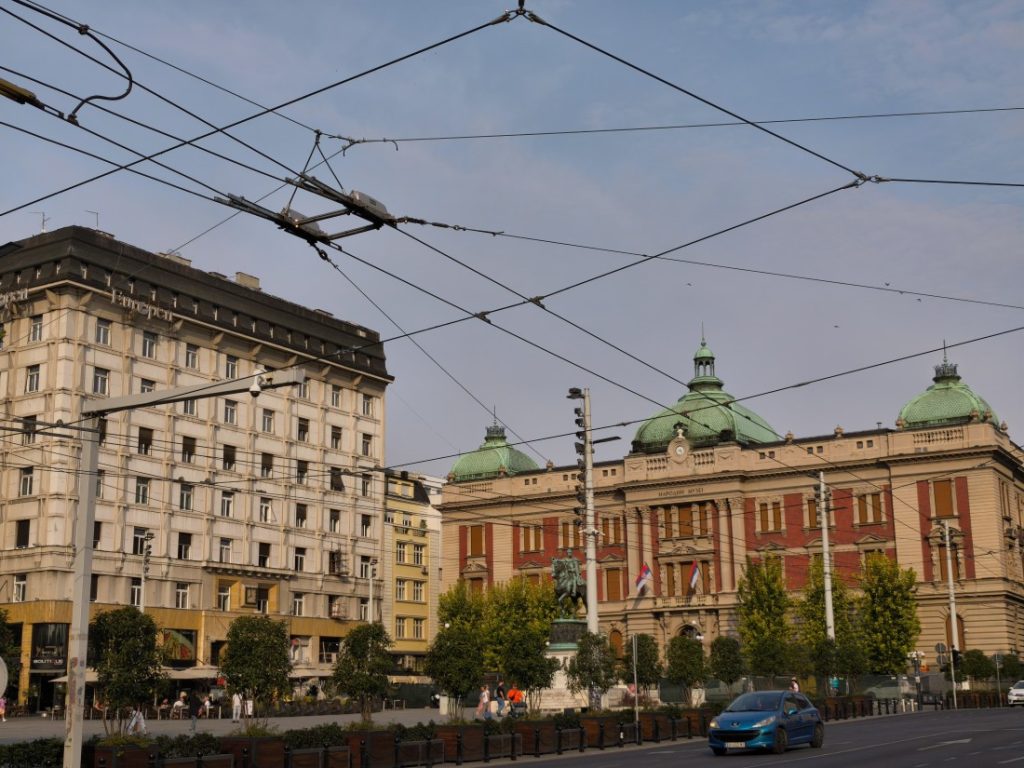
Country / City of placement: Belgrade
Dates of activity: 11-13 Sept 2026
APERO – Alliance for Participation, Empowerment, and Resilient Organizations – brought together five youth and community organisations from Bulgaria, Germany, Hungary, Serbia and Spain around a shared challenge: how can grassroots organisations become more resilient while creating meaningful spaces for young people and communities? The project focused on four interconnected areas: sustainable rural and community spaces, youth participation and empowerment, financial resilience and social entrepreneurship, and alternative forms of participation and civic engagement. Rather than developing another theoretical training programme, APERO created a space for organisations with different expertise and realities to learn directly from one another.
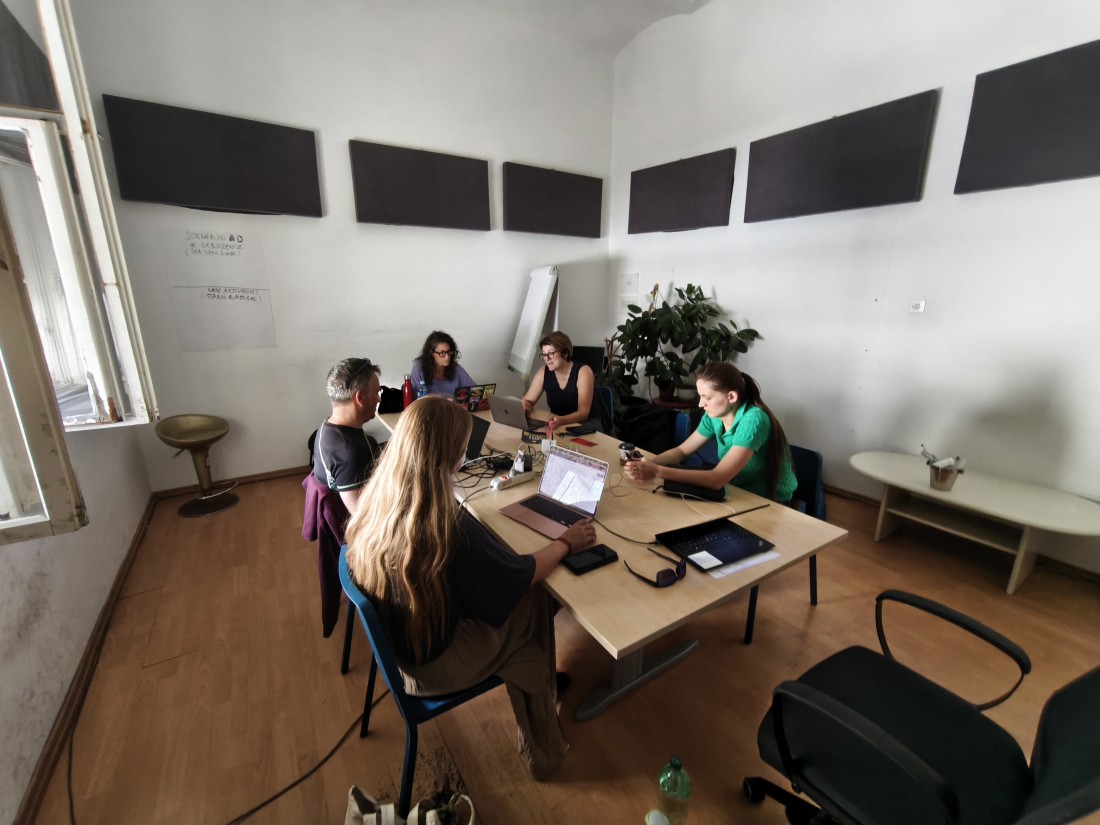
The core method was job shadowing – entering another organisation and seeing how it actually works. Across the project, 20 people participated in 22 mobility instances, generating 143 participant-days of peer learning across the partnership. Staff members, youth workers, coordinators and long-term collaborators experienced rural youth and community centres, volunteering programmes, international trainings, community initiatives and organisational management from the inside. They explored not only activities, but also what happens behind them: governance, communication, project management, volunteer coordination, physical-space management, community relationships, participation and organisational sustainability. This direct exposure made it possible to compare different models in practice rather than discussing them only in theory.
The exchanges generated practical learning across all four project goals. Partners compared how rural and community spaces can be managed and sustained; how young people can move from being participants towards greater ownership, responsibility and initiative; how organisations can diversify activities and strengthen relationships with their communities; and how income-generating activities, participation fees, donations and social-enterprise approaches can contribute to greater financial resilience. Importantly, APERO did not produce a single “best model”. The partners discovered that a practice successful in Serbia, Hungary or Spain cannot simply be copied into Bulgaria or Germany – it has to be understood, questioned and adapted to the local context.
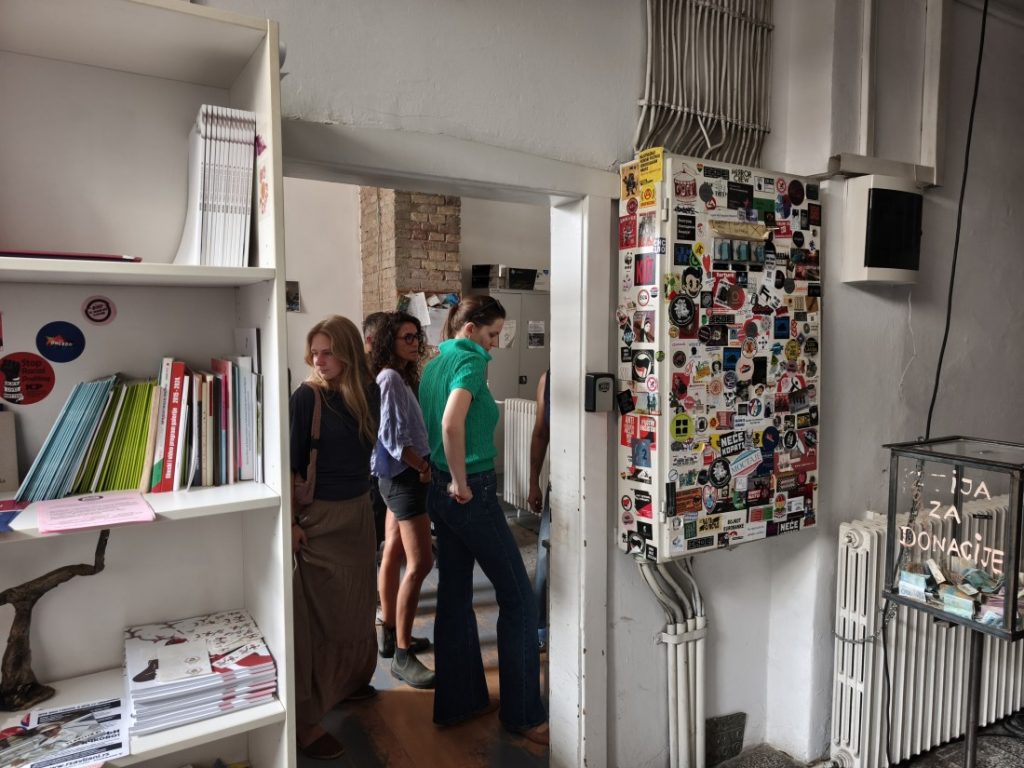
The strongest evidence of learning appeared when observation turned into action. Practices encountered during job shadowing were brought home, discussed with teams, adapted and, in some cases, already replicated. One concrete example was a community-engagement workshop approach observed by MAGNET during a visit to CitizensLab and subsequently adapted and used back in Serbia. Other exchanges generated practical ideas around training-centre organisation, volunteer preparation, communication, management systems, community building and financial sustainability. APERO also taught the consortium something important about job shadowing itself: meaningful professional exchange requires clear learning needs, access to the host organisation’s real processes and people, structured reflection and an explicit plan for transferring the learning afterwards.
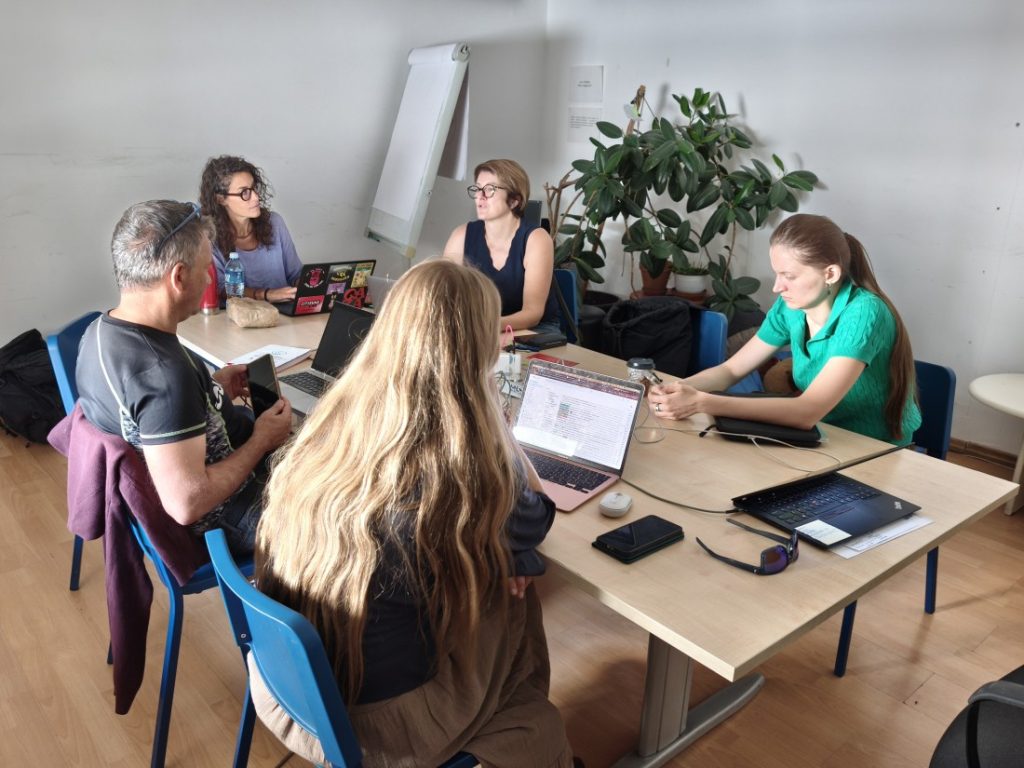
Perhaps APERO’s most sustainable result is the network created between the five organisations. Repeated visits, hosting experiences and regular cooperation moved the partnership beyond a consortium existing primarily on paper: partners now understand each other’s strengths, working environments and challenges well enough to exchange expertise, consult one another and develop new initiatives together. New cooperation and project ideas have already emerged from these relationships. APERO therefore ends not with a universal recipe for a successful youth organisation or community centre, but with something more useful: five organisations better equipped to improve their own practice, concrete methods and ideas that can continue to travel between them, and a European peer network capable of continuing the learning after the funded project ends.
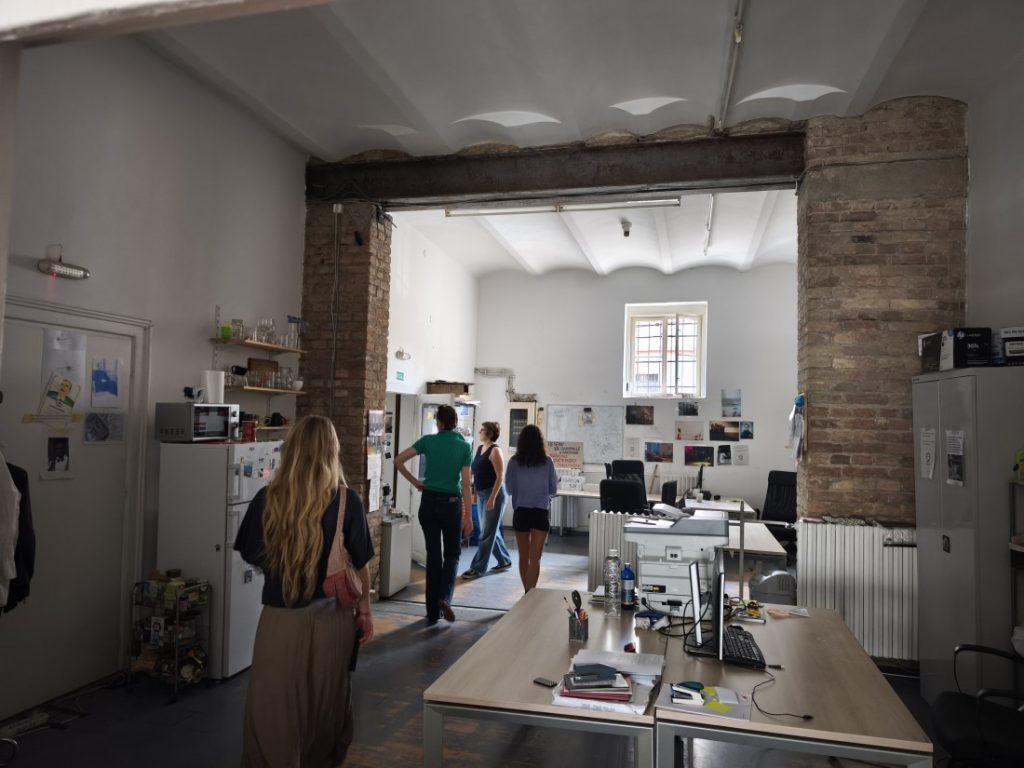
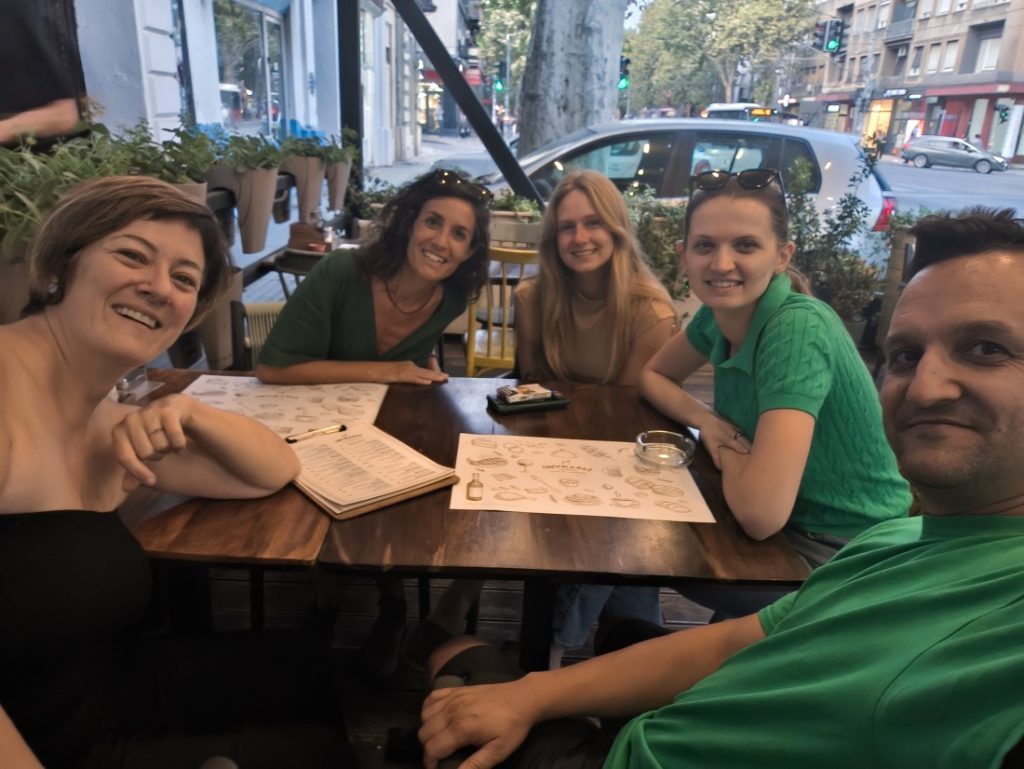
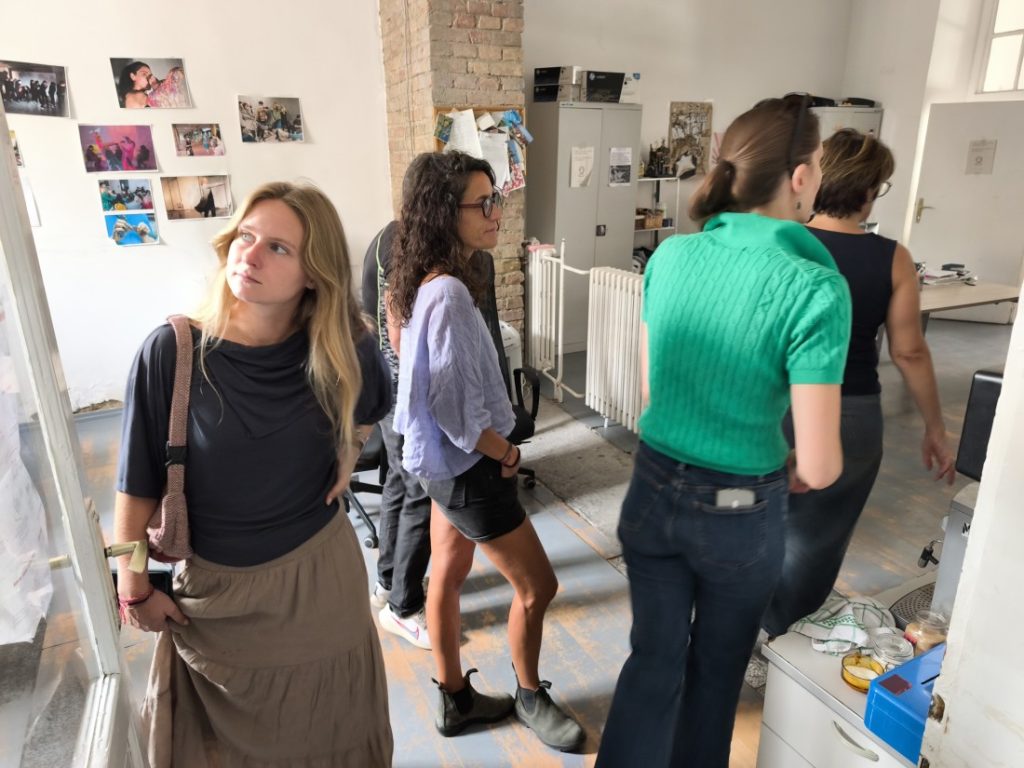
“Alliance for Participation, Empowerment, and Resilient Organizations” – KA210-YOUTH project about NGOs who have, or want to have soon, a venue for hosting events, trainings, residencies, volunteering and other educational programs, both for youth and adults. Project identification card.
Objectives
The project brings together five organizations to exchange practices on establishing and managing rural centers for sustainable community spaces. We aim to share methods for involving youth in decision-making, explore diverse financial strategies to strengthen financial resilience, and exchange knowledge on diversifying activities and civic involvement across different contexts.
Activities
We will conduct job shadowing activities across five countries, where participants will observe the regular activities of partner organizations, focusing on best practices in managing rural centers, youth engagement, and financial sustainability. The project includes workshops and hands-on learning to help partners achieve the objectives. Regular online meetings will ensure collaboration, and an evaluation meeting will review outcomes and plan future steps.
Impact
The project will result in the implementation of new methods for managing rural centers, youth participation in decision-making, and diversified funding strategies across the five partner organizations. Each partner will apply specific practices learned from job shadowing, improving their operations. The project will also create a foundation for future collaboration and long-term partnerships between organizations.
Project timeline
Start date 01-03-2025
End date 30-06-2026
Want to learn about the benefits of our courses? Click here: https://smokinya.com/testimonials/
Website of the coordinator: CITIZENS LAB, Berlin
Should you have a question, contact us: info@smokinya.com.
This project is co-funded by the Erasmus+ program of the European Union.
Funded by the European Union. Views and opinions expressed are however those of the author(s) only and do not necessarily reflect those of the European Union or the European Education and Culture Executive Agency (EACEA). Neither the European Union nor EACEA can be held responsible for them.


